
Shopping Cart
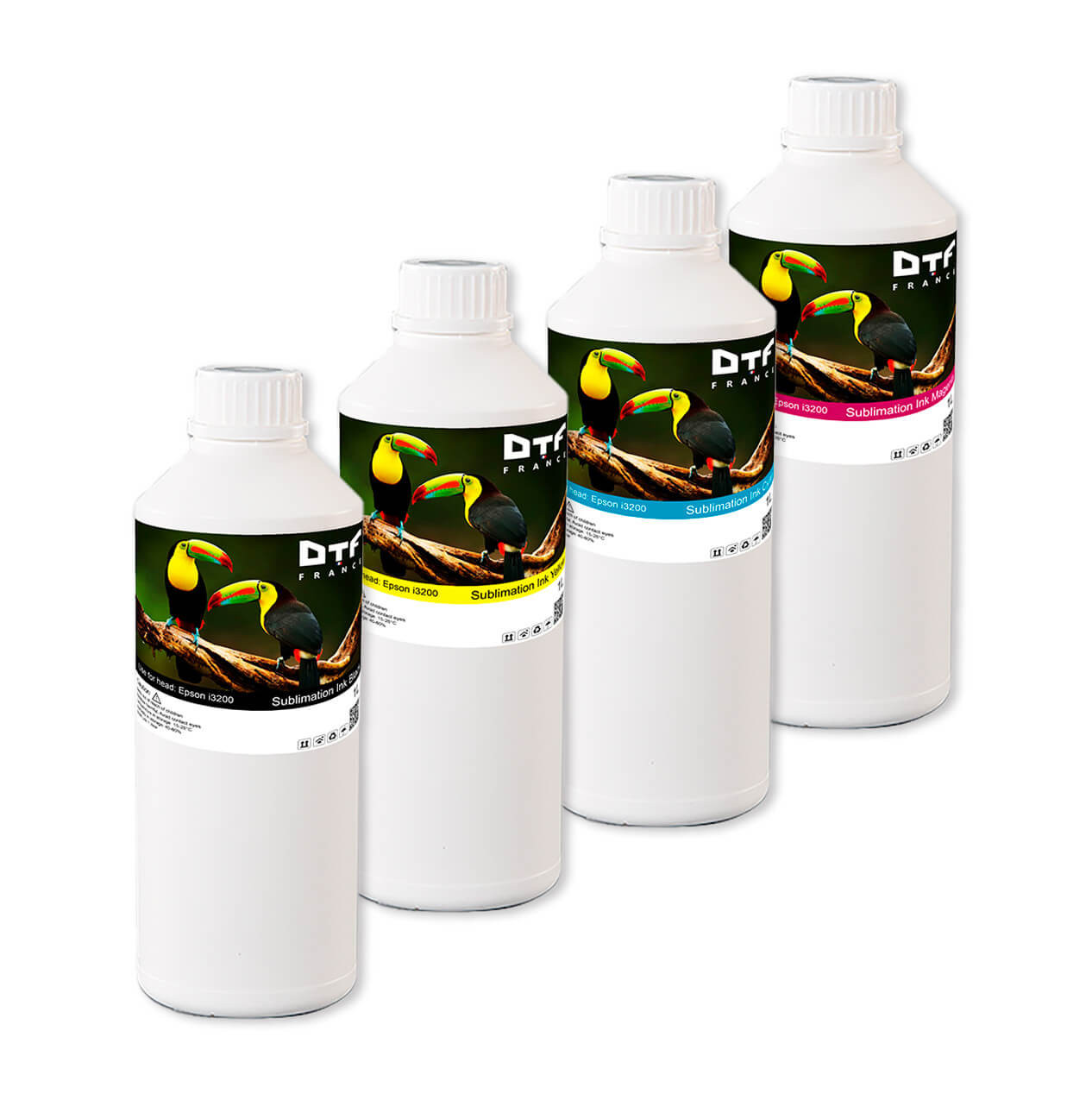
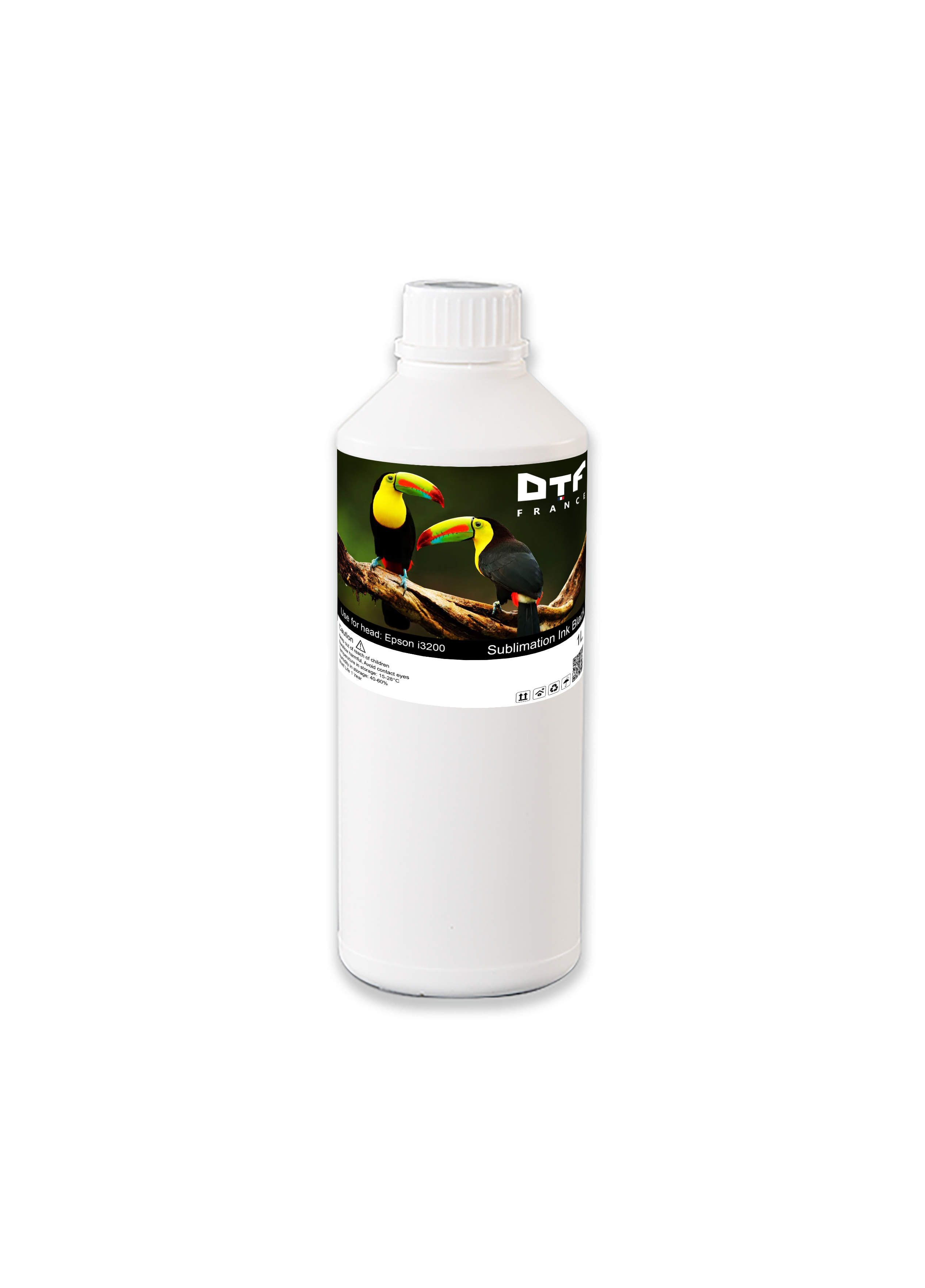
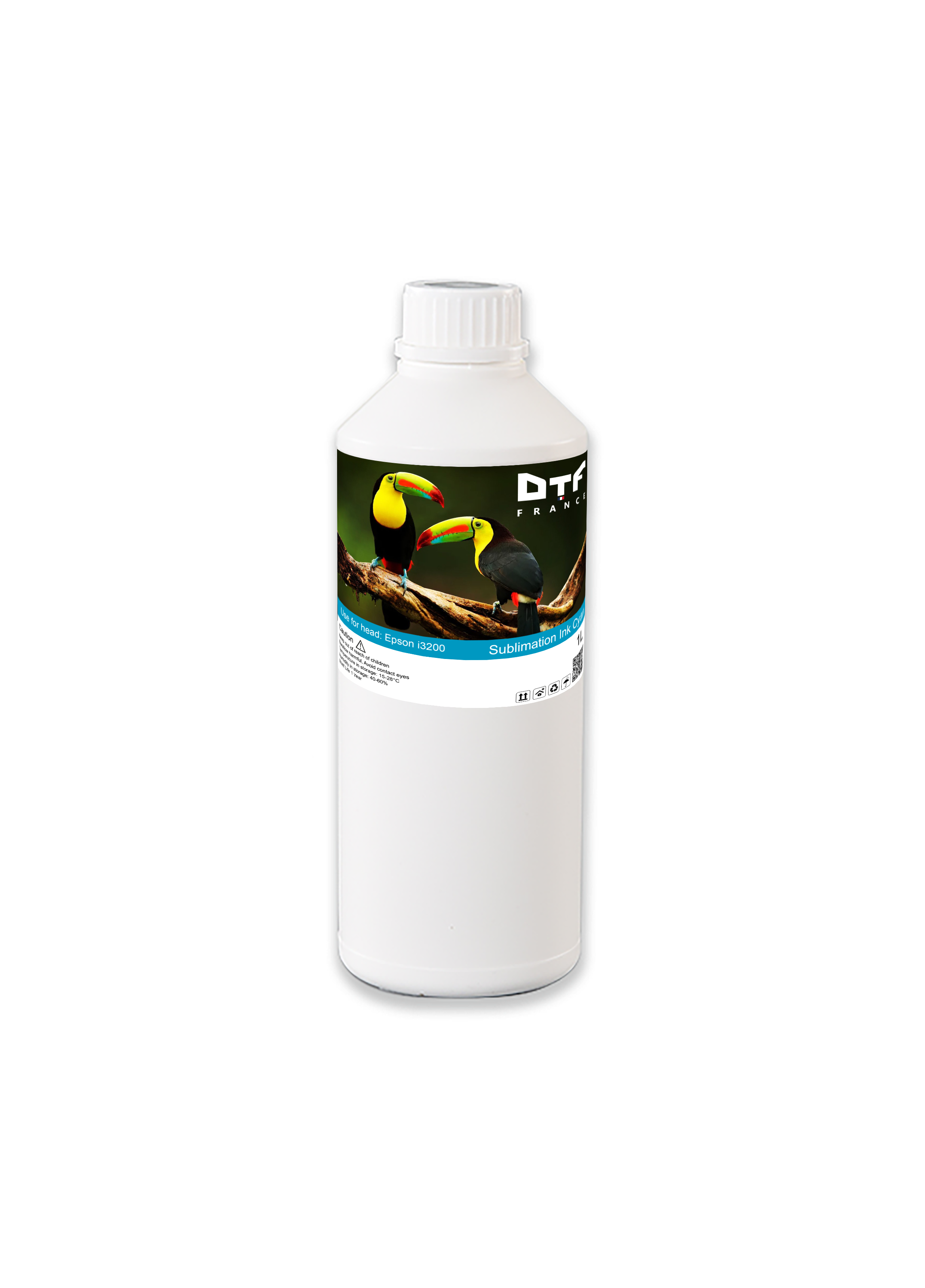
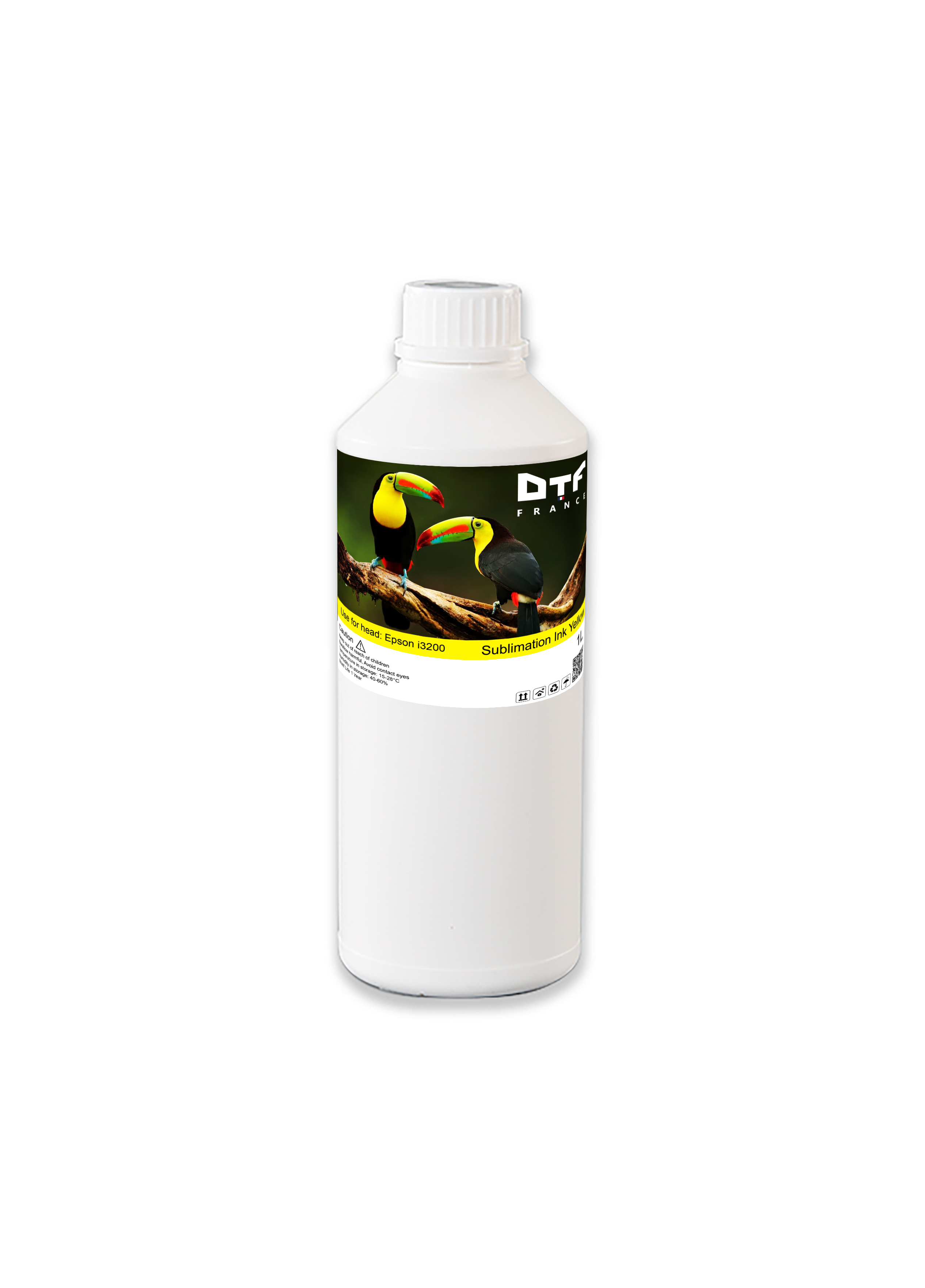
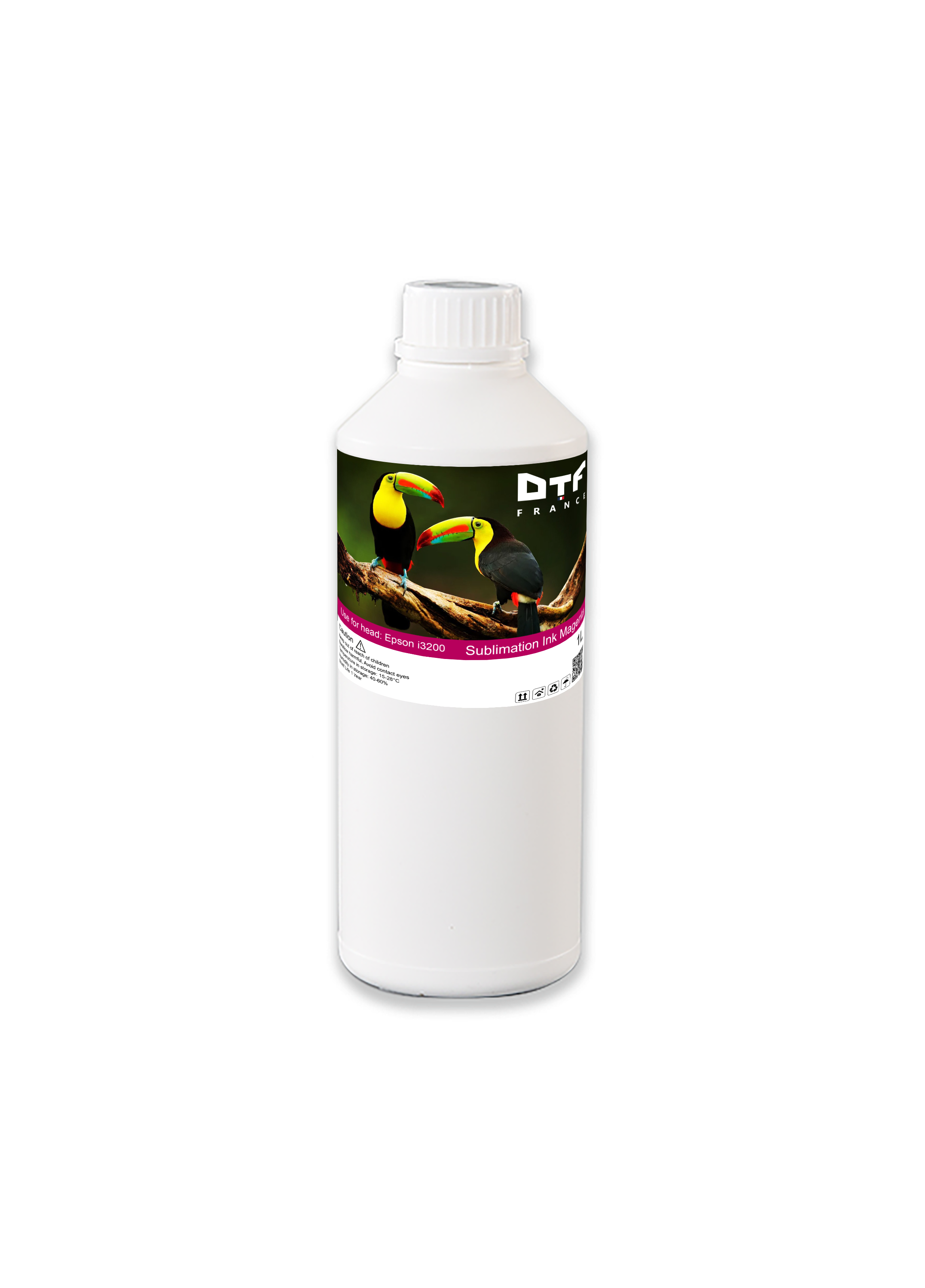


Optimise the quality of your textile prints with the right DTF ink
08.07.2025
3161

Textile branding professionals, clothing brands, resellers and customisation studios: the quality of your DTF ink directly determines the success of your textile prints. At DTF France — a DTF printing specialist based in the Var (83) — we help you get the very best from your DTF printer with premium ink that’s opaque, durable and perfectly suited to your textile projects.
Contents
- 1. How to choose the right DTF ink
- 2. Improve the quality of your textile prints
- 3. Common mistakes to avoid with DTF ink
- 4. Real-world test: standard ink vs premium DTF ink
- 5. DTF printing & DTF ink FAQ
1. How to choose the right DTF ink for successful textile printing
Understanding the differences between DTF inks
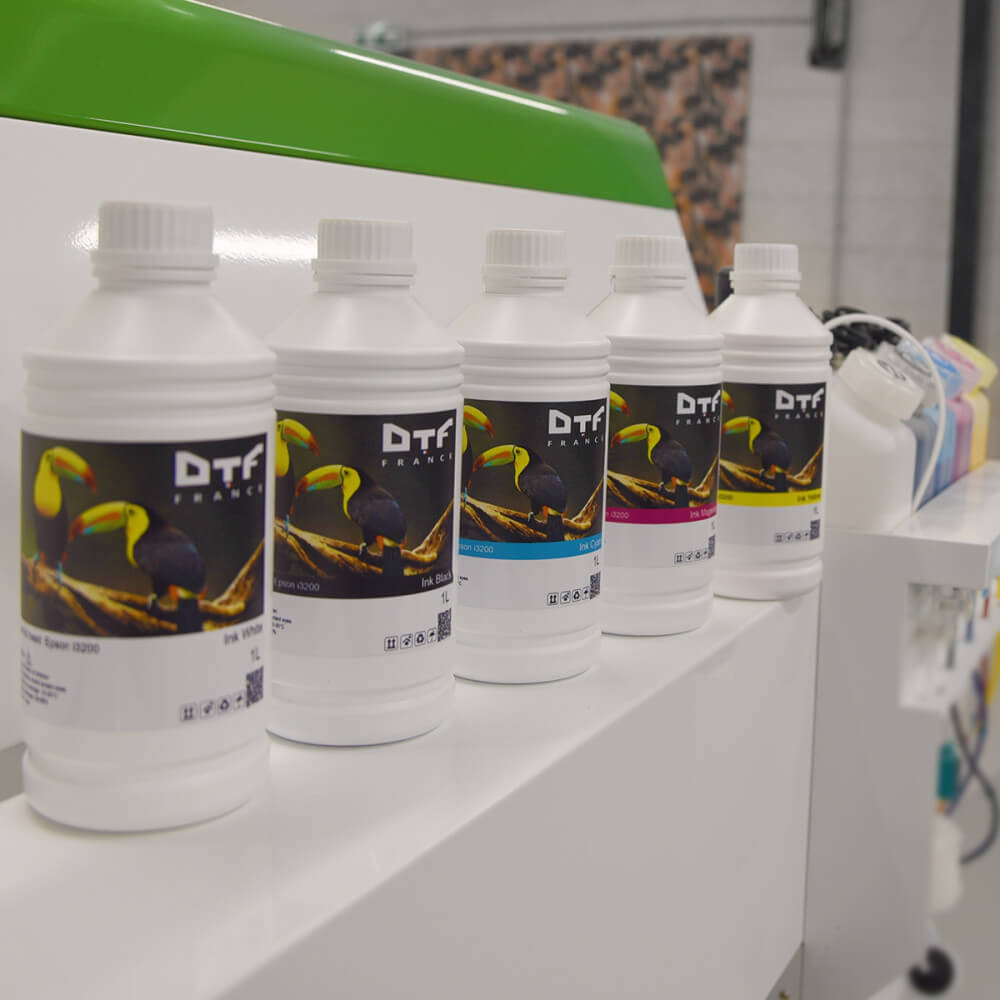
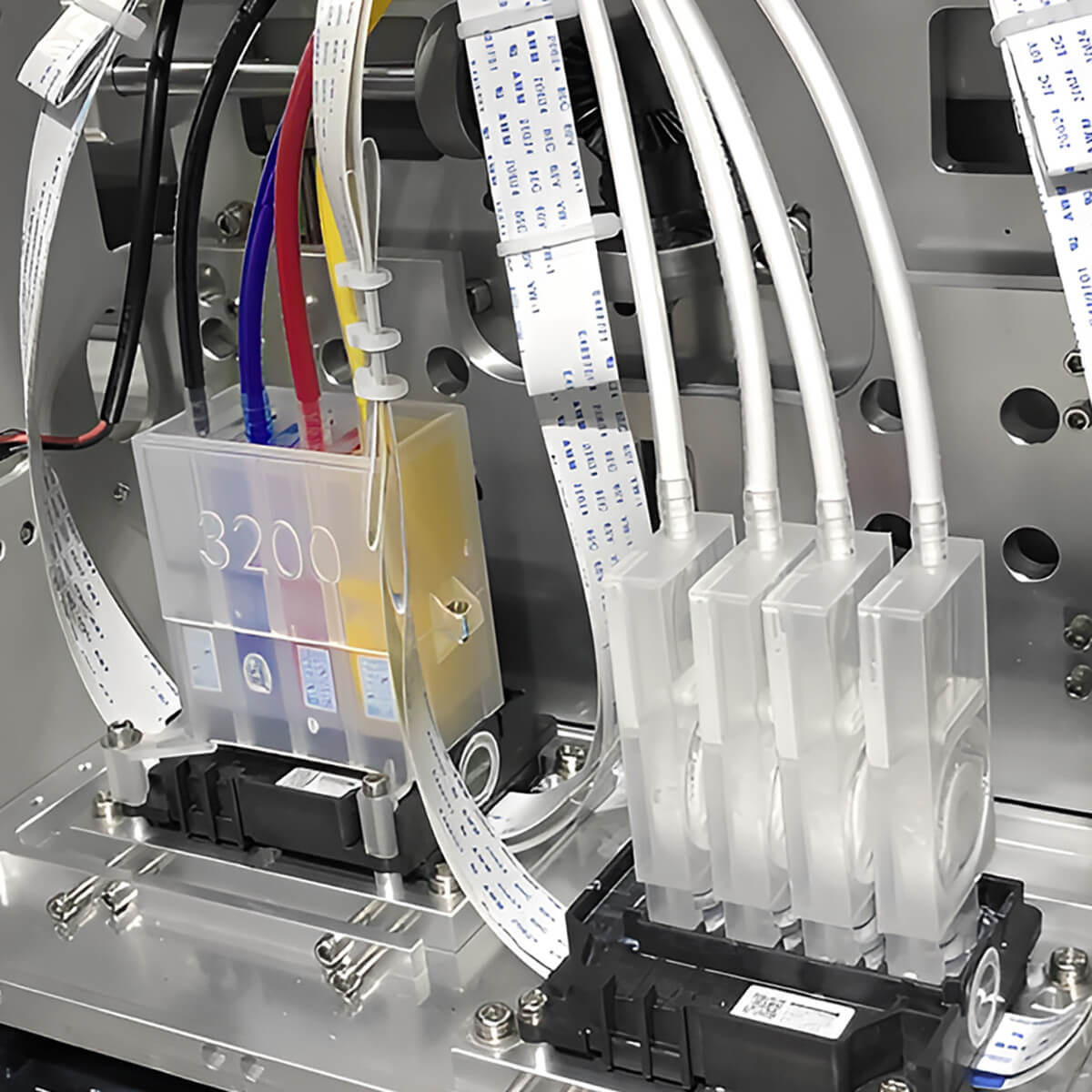
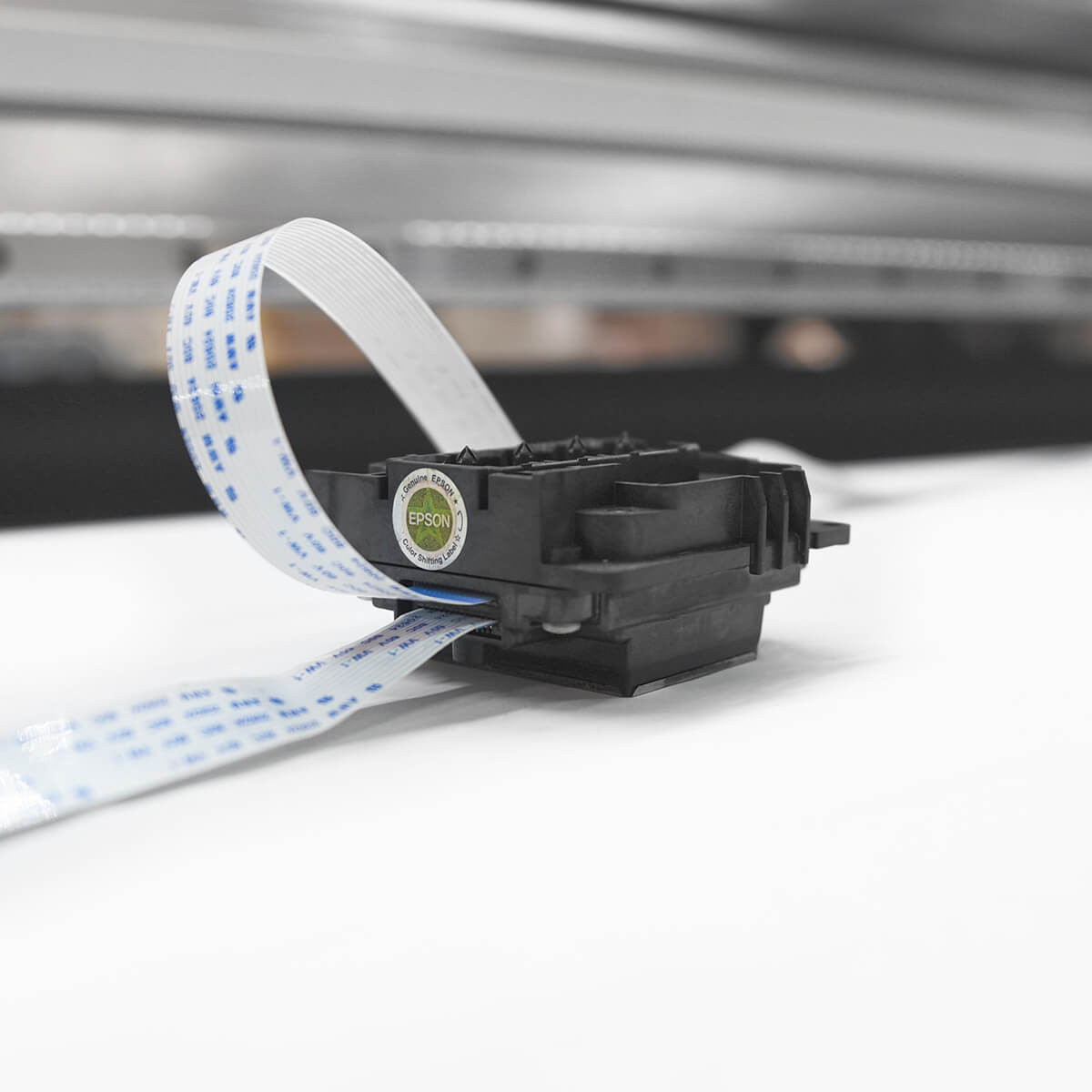
There are many DTF printer inks on the market, but not all inks deliver the same results. The right choice depends on your production needs, your equipment (Epson i3200, DX5, XP600, TX800 printhead, etc.) and, above all, the finish you want on your textiles (t-shirts, hoodies, polyester, cotton and blends).
Key criteria for high-performance textile ink
- High opacity for dark garments
- Guaranteed printer compatibility (Epson printheads)
- Textile certification (e.g. OEKO-TEX®)
- Strong wash resistance
- Excellent adhesion on DTF film
Our professional DTF ink meets all of these criteria, with an intense white, optimum pigment stability and long-lasting performance.
Quick comparison
| Criteria | Standard Ink | DTF France Premium Ink |
|---|---|---|
| Opacity | Medium | High coverage |
| Printer compatibility | Varies | Epson i3200, XP600, DX5 |
| Price | ££ | £ (discounts from 5L) |
| Certification | Not specified | OEKO-TEX® STANDARD 100 |
2. Improve the quality of your textile prints with the right ink
Optimise your DTF printer settings
 Calibrate ink flow accurately
- Use a suitable ICC profile
- Heat press temperature: between 130°C and 160°C
- Pressing time: 12 to 15 seconds
How ink, DTF film and powder adhesive work together
Ink alone isn’t everything. Your PET film, DTF powder adhesive and heat settings all influence the final result. Using compatible consumables is essential to avoid smudging, colour shift or reduced durability.
Pro tip: our DTF ink is tested with our own PET films and DTF powders to guarantee consistent results.
3. Common mistakes to avoid
Even with high-quality DTF ink, a few frequent errors can compromise your final finish. Here are the most common pitfalls to avoid if you want crisp, durable, professional results across all garment types.
Mixing different ink brands
This can cause nozzle clogs, pigment incompatibility and visible quality loss. Always use a single ink range within the same system.
Skipping regular head cleaning
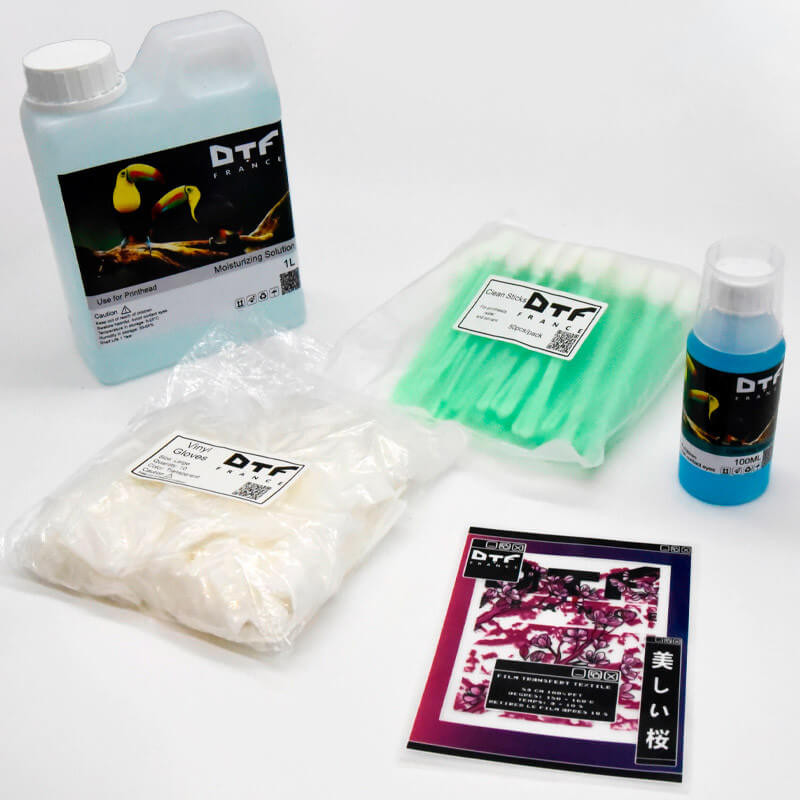
Clean your printheads regularly to prevent blockages. Use our dedicated DTF cleaning solution.
Poor ink storage
- Store at room temperature (15–25°C)
- Keep away from direct light
- Shake before each use to homogenise pigments
4. Demonstration: generic ink vs DTF France ink
Generic inks on the market can produce inconsistent results: variable opacity, weaker wash resistance, and reduced sharpness on dark garments.
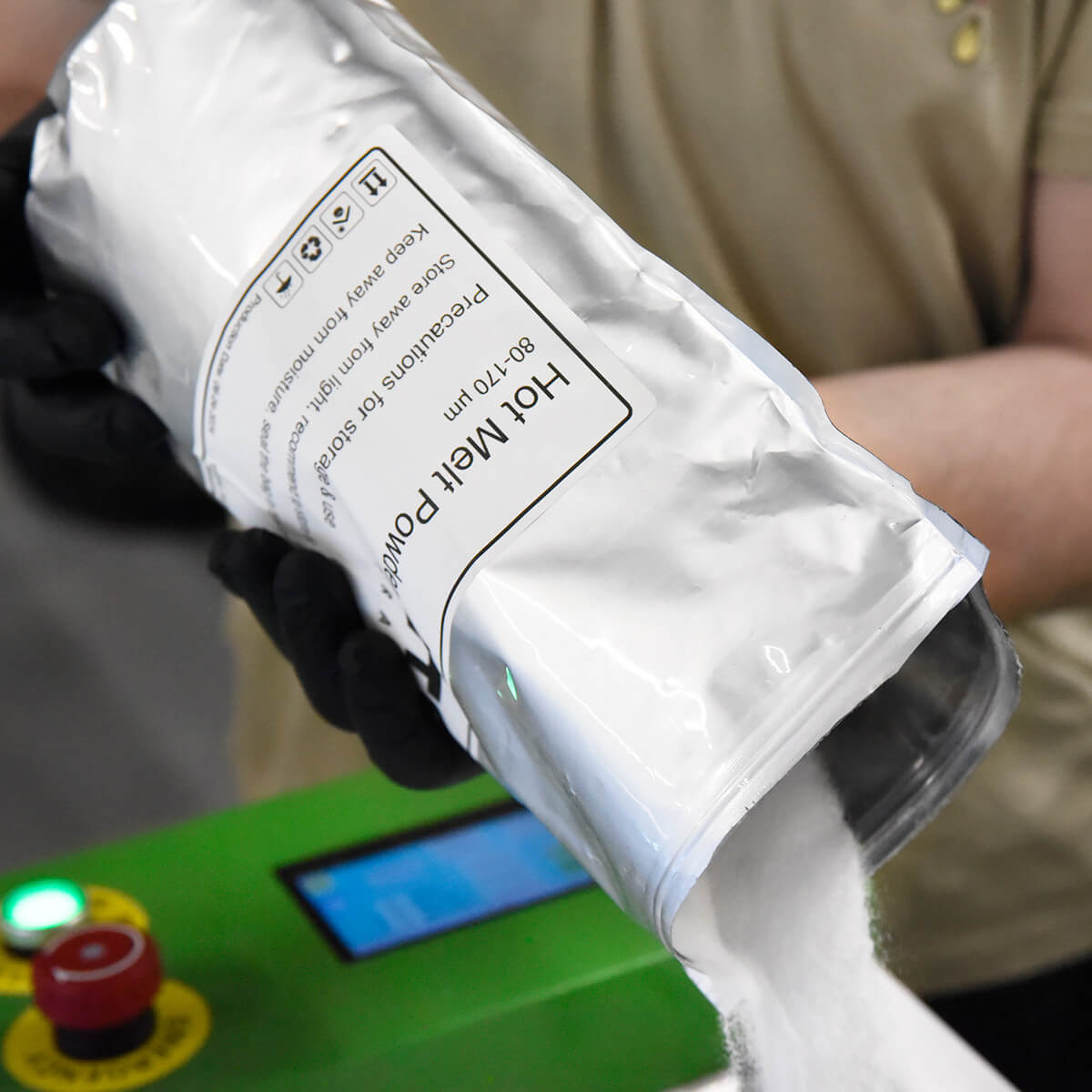
At DTF France, we compared those outcomes with our professional white DTF ink, formulated to deliver a dense, high-coverage white — ideal for printing on cotton, polyester and mixed textiles.
Results observed in our test lab:
- Brighter colours, especially on black backgrounds
- Excellent hold after multiple wash cycles (up to 60 washes)
- Stronger adhesion thanks to our film + powder + ink combination
- Easier head cleaning due to a fluid formulation
These results are based on internal tests using an Epson i3200 printer, DTF France film, fine adhesive powder and a range of textiles.
5. DTF ink & textile printing FAQ
How can I make my DTF print more vibrant?
Use a high-density pigmented ink, press at the correct temperature, and apply a DTF powder adhesive that suits your textile.
What’s the best textile printing technique?
DTF is currently one of the most versatile solutions for professionals who need to print on cotton, polyester and blends — without complex pre-treatment.
What heat settings work best for DTF printing?
Ideal temperature: 140–160°C / medium to high pressure / 15 seconds. Always test depending on the textile used.
Where can I find customer feedback about DTF printing?
See reviews and guidance on our FAQ page and our comparison guides.
How do I choose the best DTF ink for dark textiles?
Choose a dense white ink, like our OEKO-TEX® certified ink, with strong adhesion and coverage.
What are the most common mistakes when printing DTF on tricky textiles?
Incorrect temperature, unsuitable PET film, or low-quality ink. Every textile requires adjustment tests.
How does pre-treatment affect DTF print quality?
DTF allows printing without pre-treatment, but a clean, well-stored garment improves adhesion and durability.
What specific settings should I use for durable prints on polyester or nylon?
Lower the temperature and slightly increase press time. Use a fine-grain adhesive powder.
How do I guarantee accurate, durable colour with DTF ink?
Use high-quality pigmented DTF ink, store it correctly, and follow regular cleaning and shaking routines.
Conclusion
Investing in high-quality DTF ink is the first lever for elevating your textile creations. At DTF France, we supply professional inks for every application, with optimal compatibility and excellent long-term durability.
Get 10% off from 5L across our full range of DTF inks. Order now from DTF France.
Share
0 comment(s)