
Shopping Cart


What does "DTF" mean?
DTF stands for Direct-To-Film.
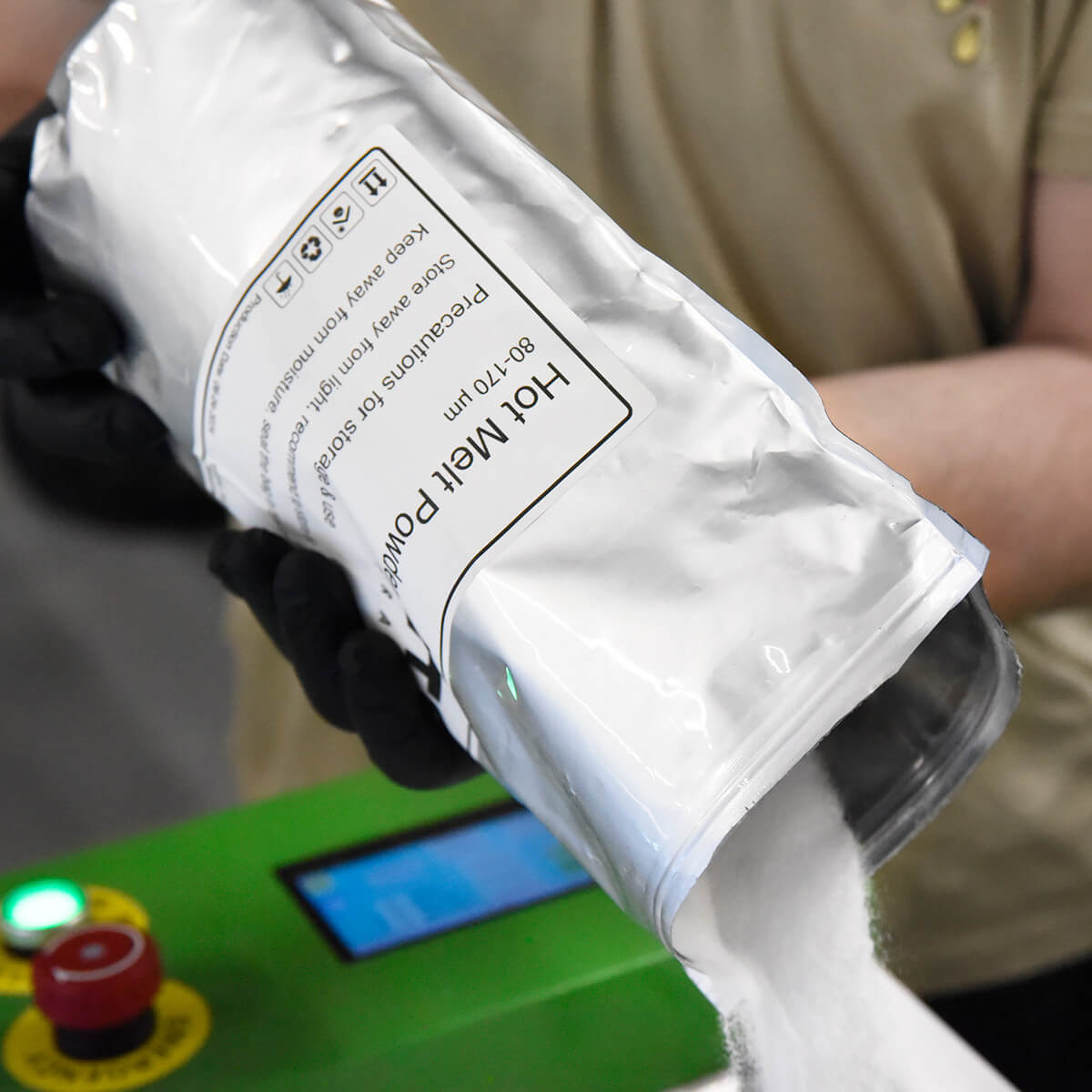
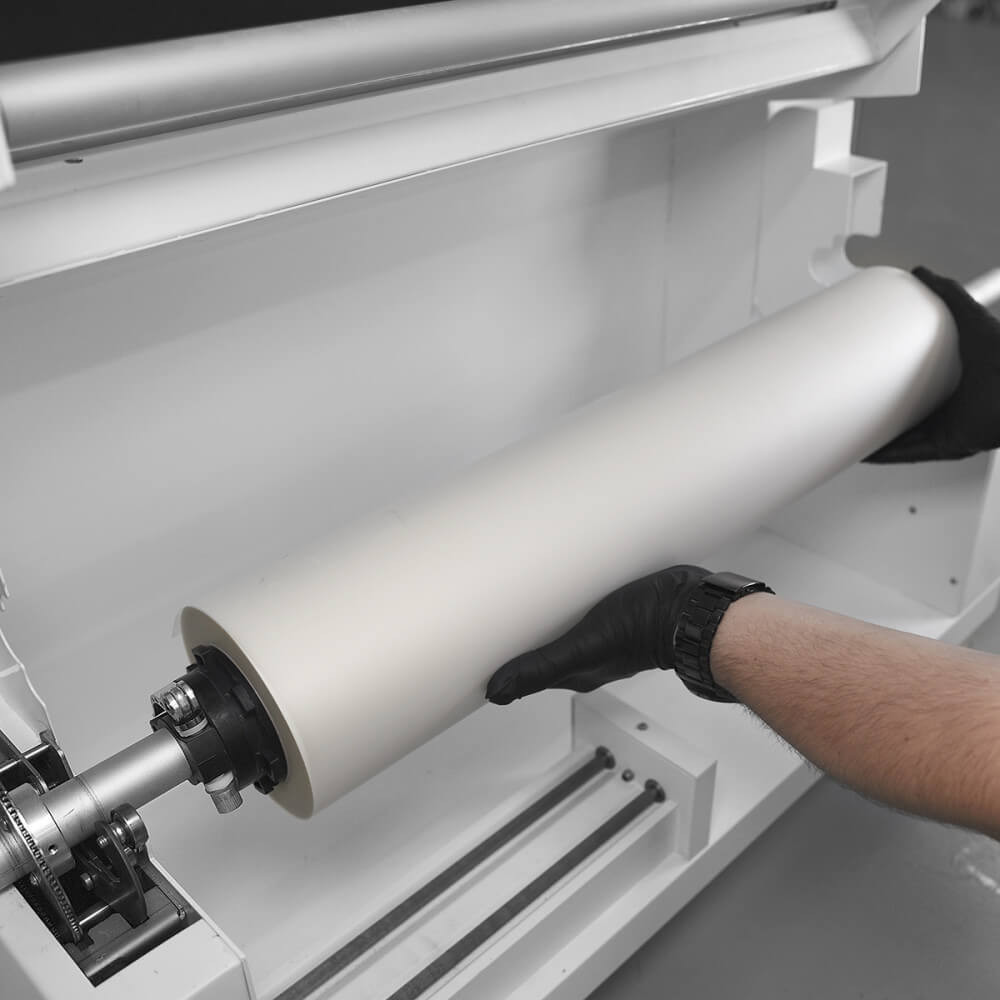
It is a textile printing technology that involves printing a design onto a special film, applying a hot-melt powder, and then transferring the visual onto the textile using a heat press.
This method offers several advantages:
- Compatibility with almost all textiles (cotton, polyester, blends, dark or light colors).
- Excellent resistance to washing.
- Vibrant colors and very fine details.
- Flexibility: ideal for short runs as well as continuous production.
What is DTF printing and how does it differ from other textile printing methods?
DTF, or Direct To Film printing, is an innovative textile printing method. It is distinguished by the transfer of ink from the carrier film to the textile via an adhesive. Unlike other techniques, DTF allows for complex designs on various fabrics and surfaces, with vibrant and durable colors. The elasticity of DTF ink provides textiles with great durability.
What are the key advantages of using DTF printing in the field of textile personalization?
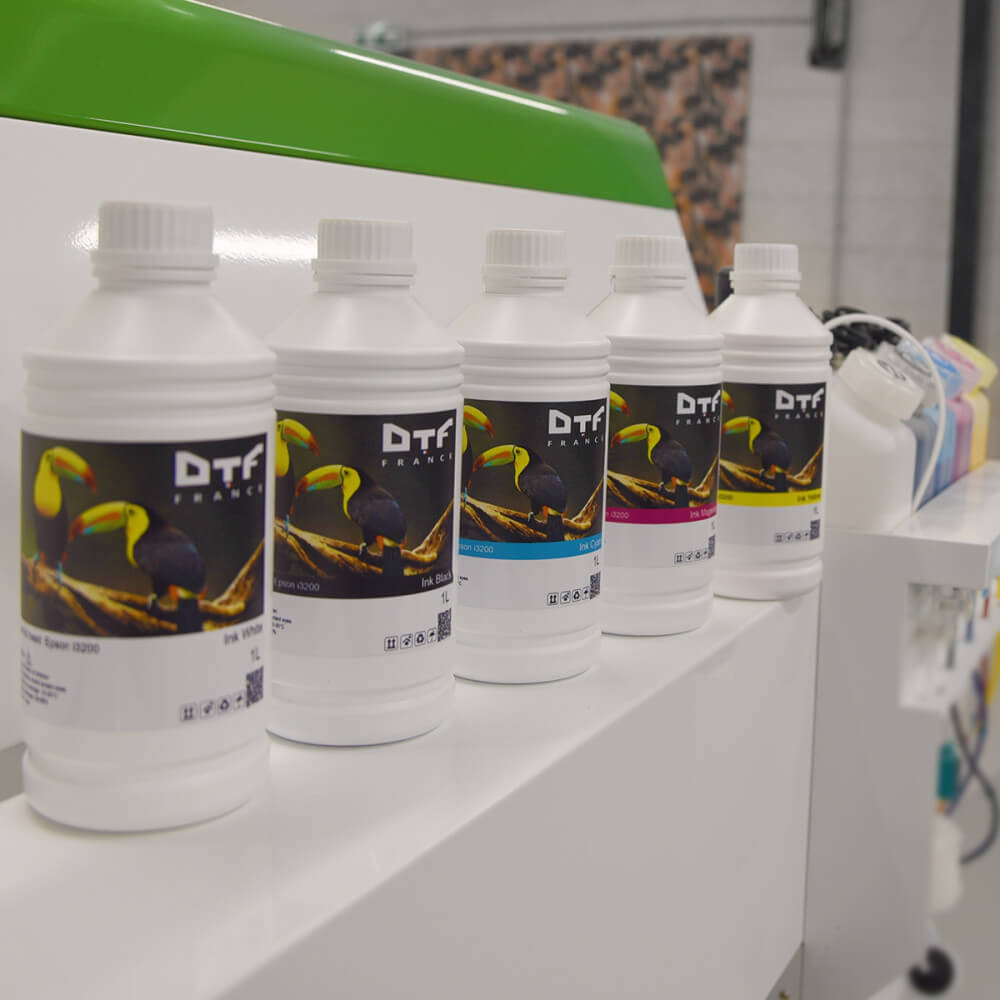
DTF printing offers a revolution in textile personalization, with standout advantages. First, it allows for unlimited creative expression, reproducing complex details and striking colors on a variety of substrates. Thanks to its ability to print in CMYK + White, DTF printing guarantees exceptional color accuracy, opening the door to rich and faithful creations.
Moreover, DTF printing stands out for its versatility. It easily adapts to different fabrics and materials, whether it be cotton, polyester, leather, or canvas. This flexibility makes it a preferred choice for clothing, accessories, and promotional items, expanding the realm of possibilities for brands and creators.
Durability is also a key feature. DTF prints withstand repeated washing, preserving the quality and sharpness of the designs over the long term. This robustness makes it an ideal solution for textile products intended for heavy use.
Finally, DTF printing is more environmentally friendly than certain traditional methods. Thanks to its water-based technology and waste reduction, it minimizes ecological impact while delivering high-quality results.
In short, DTF printing positions itself as a must-have method for textile personalization, combining creativity, quality, durability, and environmental respect. Whatever your project, DTF France is here to help you explore these exceptional advantages.
What are the main steps of the DTF printing process, from design to final realization?
The DTF printing process follows key steps to turn an idea into a textile reality. It all starts with designing the pattern, which you can create or choose. Next, the design is printed onto a special film using CMYK + White inks. Once the film is ready, it is transferred to the textile using a specific powder adhesive, creating a strong bond. Also check out our FAQ on DTF powder adhesive to learn more.
After transfer, the design is dried and fixed onto the textile through a thermal process. Finally, a pass under a heat press completes the process, permanently fusing the design with the textile.
This process ensures durable, high-quality prints that capture details and colors accurately. From design to final execution, every step is essential to achieve exceptional DTF printing results.
What are the differences between DTF inks and traditional textile printing inks?
When looking for a unique personalization on your DTF film, it's important to understand the differences between DTF inks and traditional textile printing inks. DTF inks, specially formulated for this process, offer distinct advantages. They ensure optimal adhesion to the film and textile, guaranteeing sharp, durable designs.
Unlike traditional inks, DTF inks can contain finer pigments, resulting in more precise details and vibrant colors. Moreover, DTF inks easily adapt to a variety of textile substrates, from cotton to polyester, leather, and many more.
DTF inks also feature exceptional washability properties, withstanding repeated wash cycles without compromising design quality. This makes it an ideal choice for apparel and textile items meant for frequent use.
In summary, DTF inks stand out for their ability to create durable, detailed, and versatile prints across a range of textiles. When you want unique personalization on your DTF film, DTF inks are the solution for exceptional, long-lasting results.
Can you explain the meaning of CMYK + White for DTF printers? Why is it important?
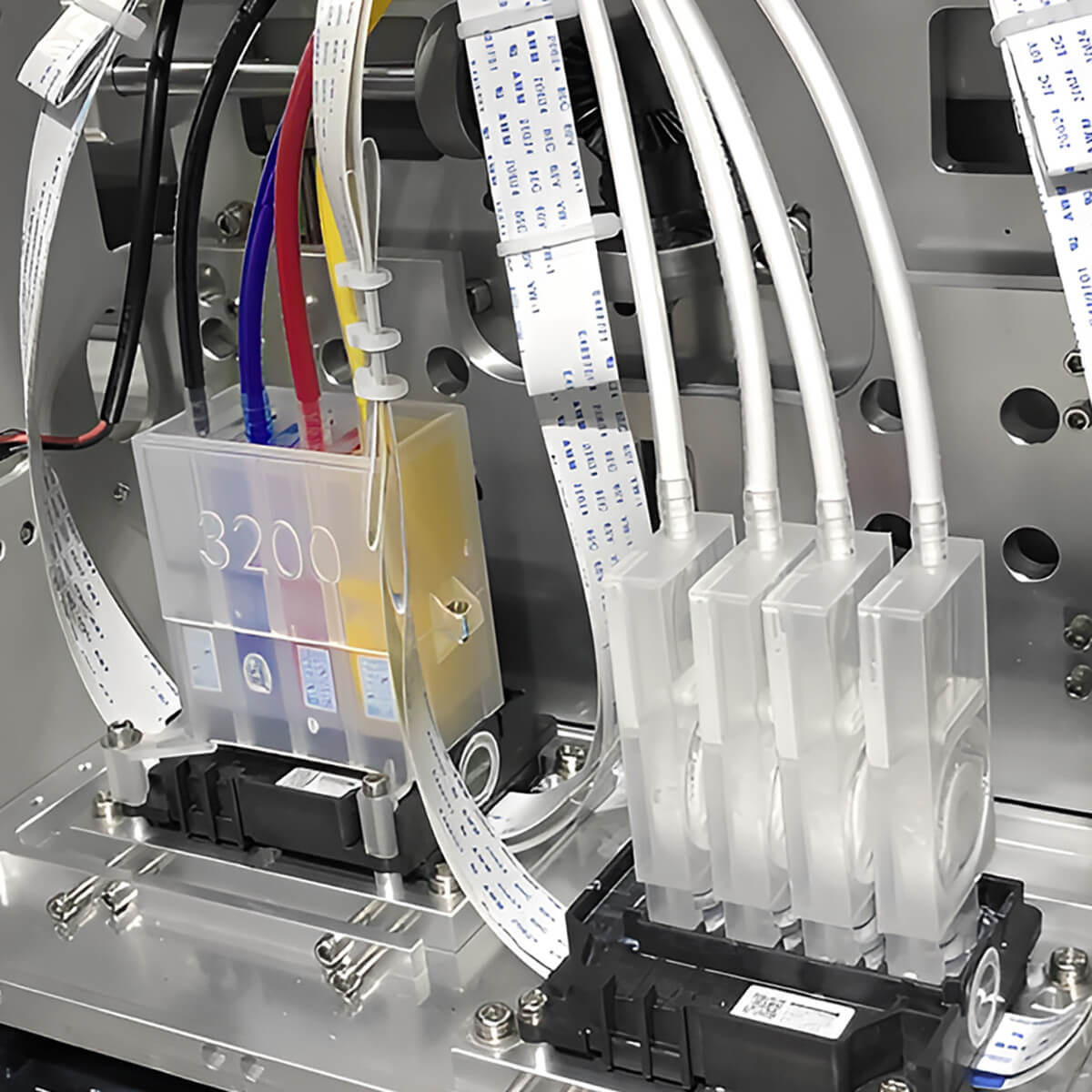
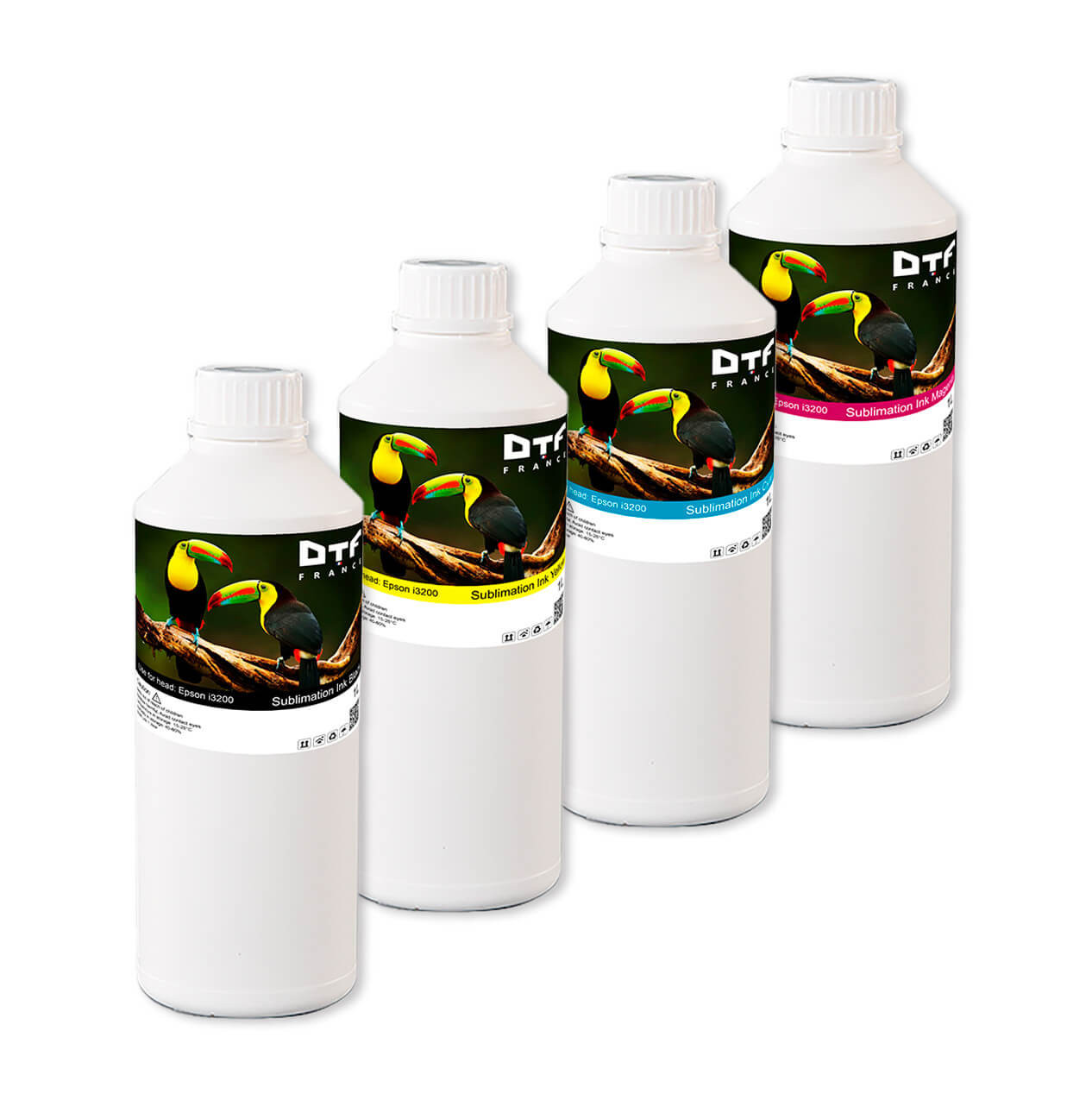
CMYK + White refers to the inks used in DTF printers, where CMYK stands for the four primary colors: Cyan, Magenta, Yellow, and Key (Black), and White adds a fifth color. This configuration provides a broad palette, allowing for precise reproduction of shades and hues.
The addition of White is essential for printing on dark or colored textiles, where it creates an opacified background to ensure colors pop correctly. This expands creative possibilities by allowing printing on a variety of textile substrates, regardless of their color.
The significance of CMYK + White lies in its ability to produce rich, dynamic prints with exceptional clarity. This ensures every design stays true to your artistic vision, whether printed on light or dark fabrics. In short, CMYK + White is the heart of DTF printing, offering superior quality and unprecedented adaptability.
What types of textile substrates are compatible with DTF printing? Are there any limitations?
DTF printing is remarkably versatile and adapts to a wide range of textile substrates. It works well with fabrics such as cotton, polyester, cotton-polyester blends, and even materials like leather and canvas. Whether for clothing, accessories, or promotional items, DTF printing guarantees exceptional results.
However, some limitations do exist. Highly textured or extremely elastic fabrics can pose adhesion challenges. Choosing the right film and powder adhesive is crucial to achieve optimal results on these fabrics. It's also important to consider the textile's characteristics, such as composition and color, as these can influence how colors are reproduced.
In summary, DTF printing offers extensive compatibility with various types of textile substrates, but specific considerations must be made based on the textile's properties. For personalized advice on the best choices for your projects, feel free to seek the expertise of DTF France.
How do I maintain my DTF printers to ensure optimal performance and increased longevity?
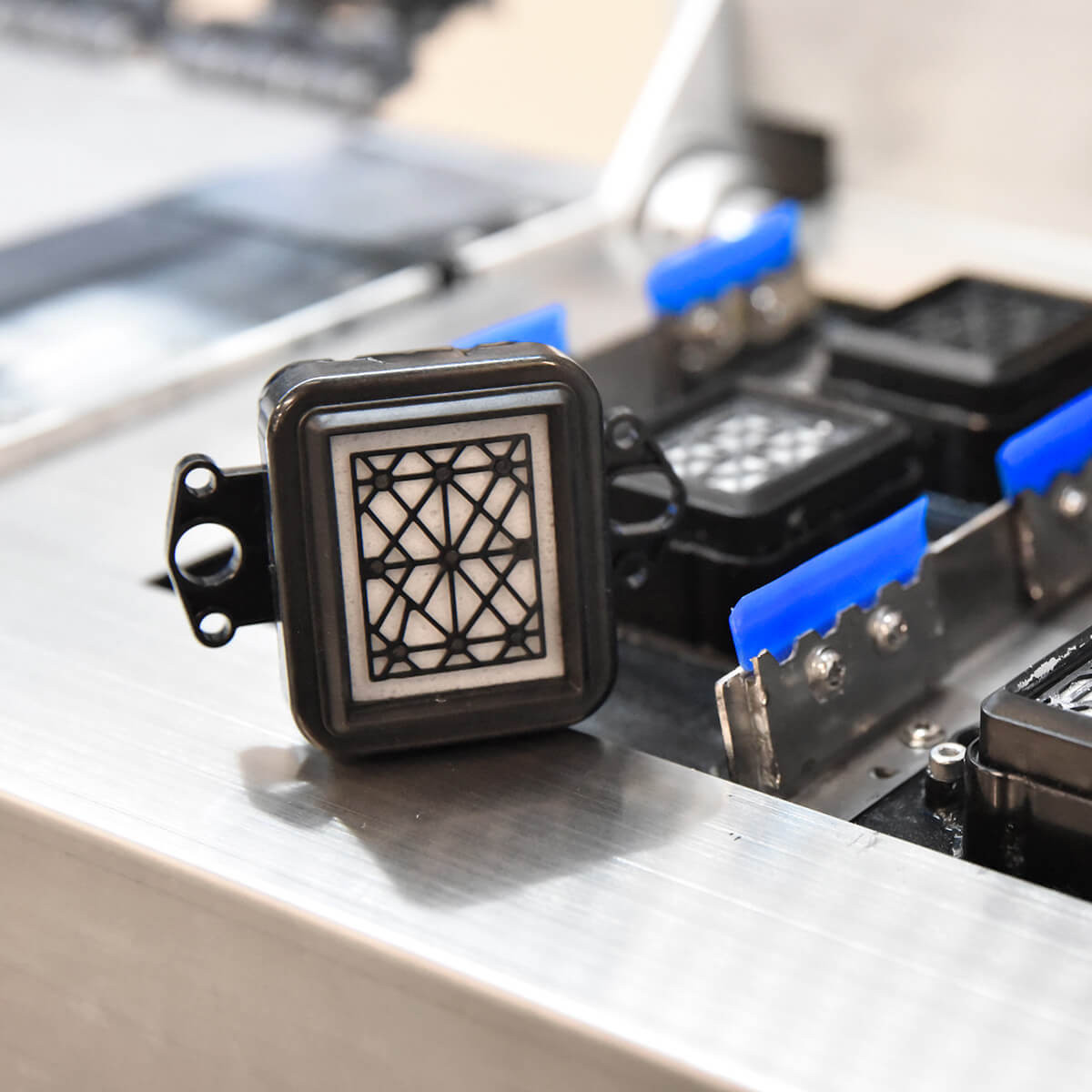
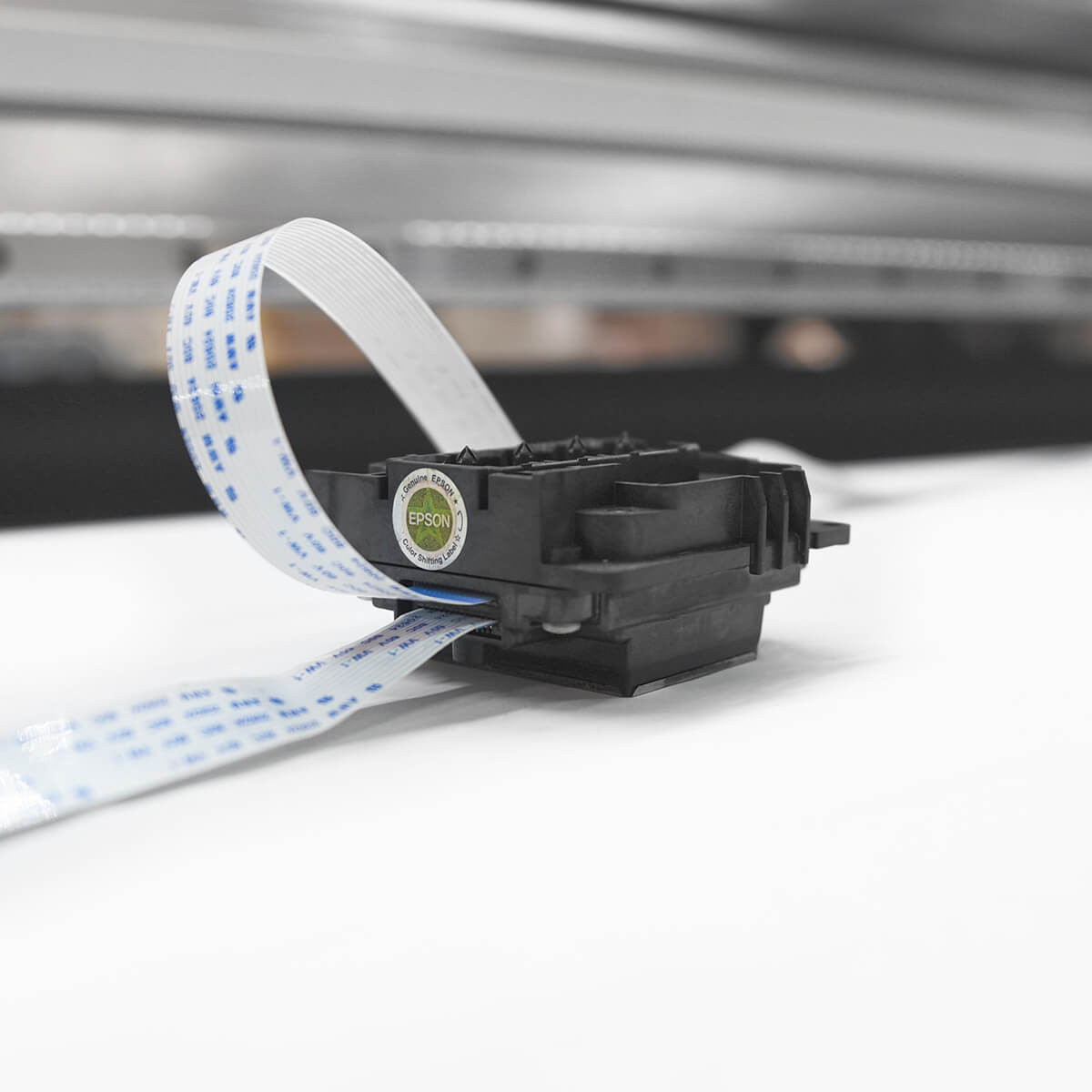
Regular maintenance of your DTF printers is essential for optimal performance and an extended lifespan. First, regularly clean the printheads and rollers to avoid clogs and feeding issues. Use gentle, non-corrosive cleaning solutions.
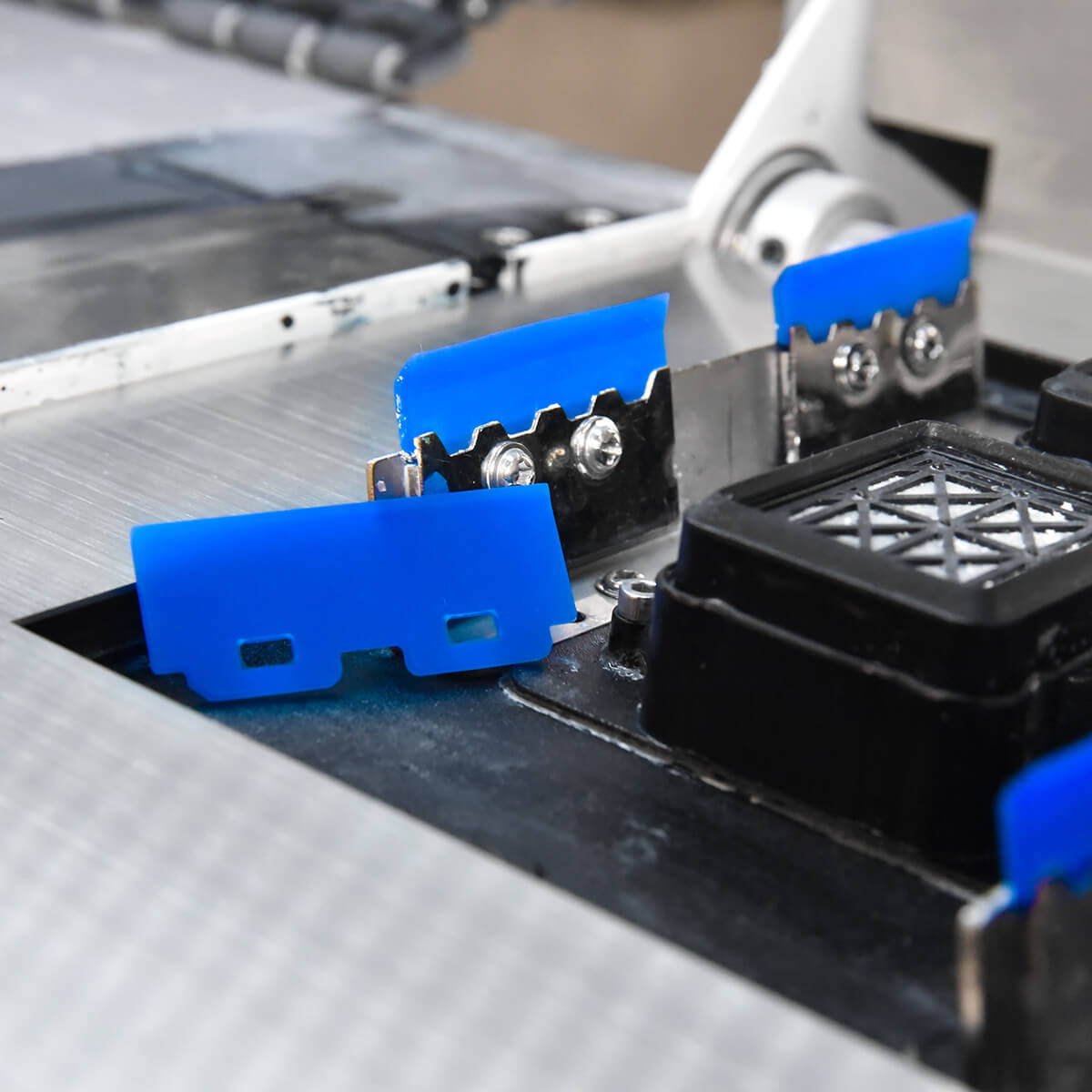
Be sure to follow the manufacturer's recommendations for maintenance intervals. Replace worn or defective parts as soon as they are identified. Check and adjust tensions and alignments as needed for precise prints.
Make sure to use quality inks and consumables suited for your printers. Avoid poor-quality inks, which could damage the printheads. Use compatible films and powders to ensure an efficient transfer.
Finally, ensure the printer's environment is clean and well-ventilated. Avoid excessive temperature and humidity fluctuations. By following these tips and performing regular maintenance, you will maximize the performance and longevity of your DTF printers, ensuring optimal results over the long term.
Check out our complete blog post to help you with maintaining your DTF machine.
I need specific customization on my DTF film. How can I proceed to get a custom film?
To get a custom DTF film, our process is simple and efficient. All you have to do is email us your design file. The file must be true-to-size. Our expert team will handle your request with care. Once the design is received, we will print it on DTF film with exceptional precision, guaranteeing unmatched quality.
Whether it's company logos, artistic designs, or unique creations, our customization service meets your specific needs. We will keep you informed at every step of the process to ensure the final result perfectly reflects your vision.
Trust DTF France for DTF film customization that exceeds your expectations. Contact us with your requirements and let us turn your idea into a printed reality, ready to adorn your textiles with distinction.
What are the benefits of maintenance products for DTF printers? How can I use them effectively?
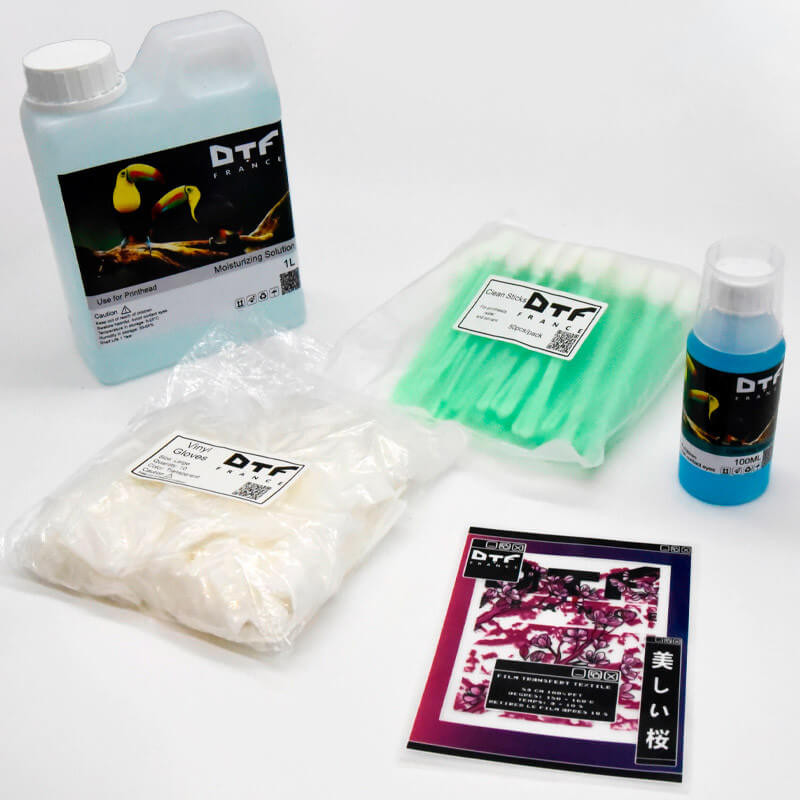
When you're looking for unique personalization on your DTF film, our maintenance products are your best ally. They keep your DTF printers in optimal condition, extending their lifespan and ensuring consistent performance. Benefits include reduced printhead clogging, better print quality, and preventative maintenance.
For effective use, follow the manufacturer's recommendations regarding cleaning and maintenance intervals. Use appropriate cleaning solutions to avoid damaging sensitive components. Regularly clean printheads, rollers, and mechanical parts, avoiding direct contact with electrical parts.
Watch out for signs that maintenance is needed, such as banding or spots on prints. Don't hesitate to consult our team for specific advice for your printers. By following these practices, you ensure optimal performance and a longer lifespan for your DTF printers, guaranteeing exceptional results for your personalization projects.